MALTE WOYDT

HOME:    PRIVATHOME:    LESE- UND NOTIZBUCH

ANGE
BOTE
BEL
GIEN
ÜBER
MICH
FRA
GEN
LESE
BUCH
GALE
RIE
PAM
PHLETE
SCHAER
BEEK
GENEA
LOGIE

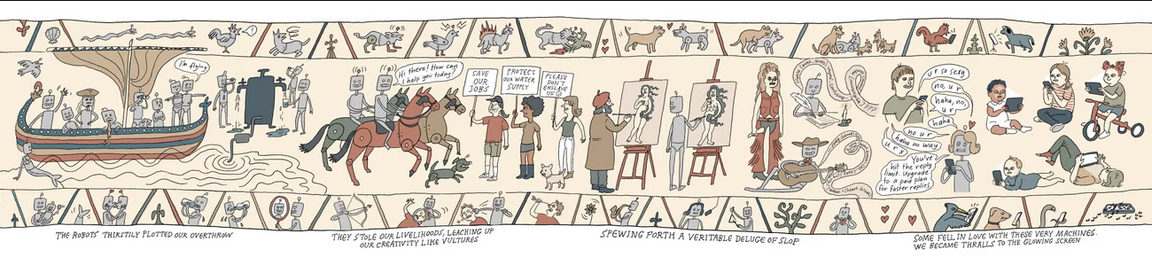
“Künstliche Intelligenz” 2

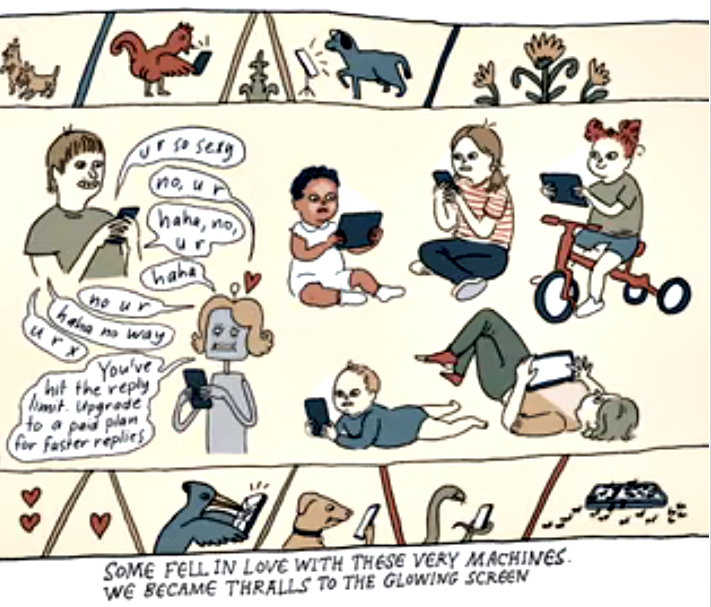
“Ich möchte, dass die KI meine Wäsche wäscht und abwäscht, damit ich Kunst machen und schreiben kann, und nicht, dass die KI meine Kunst nachmacht und schreibt, damit ich meine Wäsche waschen und den Abwasch machen kann.”

aus: Joanna Maciejewska, Facebook, im Internet.

Abb.: Edith Pritchett: Bayeux tapestry for the modern age, 2026, Detail, im Internet.

09/26

13/09/2026 (15:32) Schlagworte: DE,Lesebuch ::

Dialogue

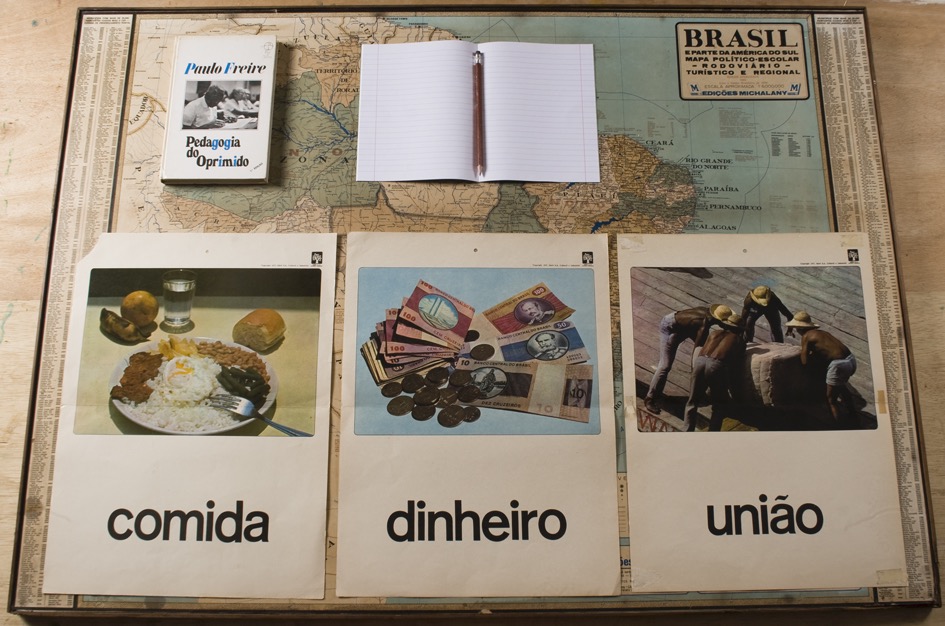
“Dialogue … is an act of creation. … Dialogue cannot exist … in the absence of a profound love for the world and for people. … Love is at the same time the foundation of dialogue and dialogue itself. It is thus necessarily the task of responsible Subjects and cannot exist in a relation of domination. … If I do not love the world – if I do not love life – if I do not love people – I cannot enter into dialogue. …

On the other hand, dialogue cannot exist without humility. … How can I dialogue if I always project ignorance onto others and never perceive my own? … How can I dialogue if I start from the premise that naming the world is the task of an elite and that the presence of the people in history is a sign of deterioration, thus to be avoided? …

Dialogue further requires an intense faith in humankind, faith in their power to make and remake, to create and re-create …

Dialogue cannot be carried out in a climate of hopelessness. If the dialoguers expect nothing to come of their efforts, their encounter will be empty and sterile, bureaucratic and tedious. …

Only dialogue, which requires critical thinking, is also capable of generating critical thinking. Without dialogue there is no communication, and without communication there can be no true education.”

aus: Paulo Freire: Pedagogy of the oppressed. London u.a.: Penguin 1996 (1970), S.70-74.

Abb.: Jonathas de Andrade: Educação para Adultos, 2010. Historical material collected, im Internet.

08/26

16/08/2026 (17:28) Schlagworte: EN,Lesebuch ::

West 1

“In English, the very idea of the ‘West‘ …, doesn’t really emerge until the 1880s and 1890s, during a heated era of imperialism, and gains broader currency only in the twentieth century. … For that matter, talk of ‘civilizations‘, in the plural, is pretty much a nineteenth-century development, too. …

The kindred term ‘Western culture‘, too is surprisingly modernThe Decline of the West, written by Oswald Spengler around the time of the First World War, was the work that introduced many readers around the world to the concept. (He actually titled it Der Untergang des Abendlandes, literally, the decline of the evening lands – those lands nearest the setting sun. The term had once referred to the western provinces of the Roman Empire.) Yet, his conception of the West was startlingly different from the one that’s now commonplace. Spengler scuffed at the notion that there were continuities between Occidental culture and the classical world. ‘The word Europe ought to be struck out of history,’ he further avowed. ‘There is historically no European type.’ For him, critically, the West was defined by contrast to the culture of the classical world, to the culture of the ancient Christians (and Jews and Muslims), and to the ‘semi-developed’ culture of the Slavs. …

Our modern concept of Western culture largely took its present shape in the late 1940s and the 1950s, during the Cold War. … Western culture was, at its core, individualistic and democratic and liberty-minded and tolerant and progressive and rational and scientific. Never mind that premodern Europe was none of these things.”

aus: Kwame Anthony Appiah: The lies that bind. Rethinking identity. London: Profile 2018, S.200/201.

07/26

31/07/2026 (16:18) Schlagworte: EN,Lesebuch ::

Classes

“In the largest study of class in Britain ever undertaken, the Great British Class Survey of 2011, which used all three forms of capital [(financial, social and cultural)], the English sociologist Mike Savage and his colleagues concluded that there were now not three but seven classes in their society today.

There was still an elite at the top …, 6 percent of the population. … And there is still a well-defined place at the bottom: 15 percent of the British population [form a] ‘precariat“. …

But between theses two classes, Savage identified five distinct groups. … These groups don’t have a shared sense of what activities confer standing – reading versus computer games, classical versus contemporary popular music, cricket versus soccer, and so on – and the relative prestige of their occupations is also far from agreed upon. Class in Britain isn’t a ladder. It’s a mountain, with multiple paths for ascent and descent. It rises, though, from a single valley to a single peak.”

aus: Kwame Anthony Appiah: The lies that bind. Rethinking identity. London: Profile 2018, S.165/166.

07/26

31/07/2026 (11:27) Schlagworte: EN,Lesebuch ::

Stasi 2

“Die Stasi ist mein Ecker-

Die Stasi ist mein Ecker-

Die Stasi ist mein Eckermann.”

aus: Wolf Biermann: Wir bleiben auf ewig im selben Boot – und fahren längst auf verschiedenen Flüssen. Vorlesung, 16.2.94, Jena. In: Edwin Kretschmer: Dem Erinnern eione Chance, Köln: Heinrich-Böll-Stiftung 1995, S.95

07/26

30/07/2026 (0:17) Schlagworte: DE,Lesebuch ::

Jammerossis

“Einen hörte ich sagen in der Stadt: ‘Früher konnten wir nicht reisen wegen der Mauer. Jetzt könn’ wir, ham aber kein Geld. Wo ist der Unterschied?’ Ich finde diese Haltung schrecklich! Sich was einfallen lassen, würde ich sagen. Für die jüngeren: Trampen ist vielleicht auch mal möglich oder Jugendherberge, es gibt preisgünstige internationale Ausweise und einen guten Europapaß der Bundesrepublik Deutschland! Was würden viele aus anderen, ärmeren Staaten geben, einen solchen Paß zu besitzen! Was für eine infantile Versorgungshaltung, das vorwurfsvolle Gesicht dazu, es kann einen frieren.”

aus: Jürgen Fuchs: Poesie und Zersetzung. Vorlesung, 16.6.1993, Jena. In: Edwin Kratschner: Dem Erinnern eine Chance. Köln: Heinrich-Böll-Stiftung 1995, S.26/27.

07/26

29/07/2026 (18:18) Schlagworte: DE,Lesebuch ::

Dada

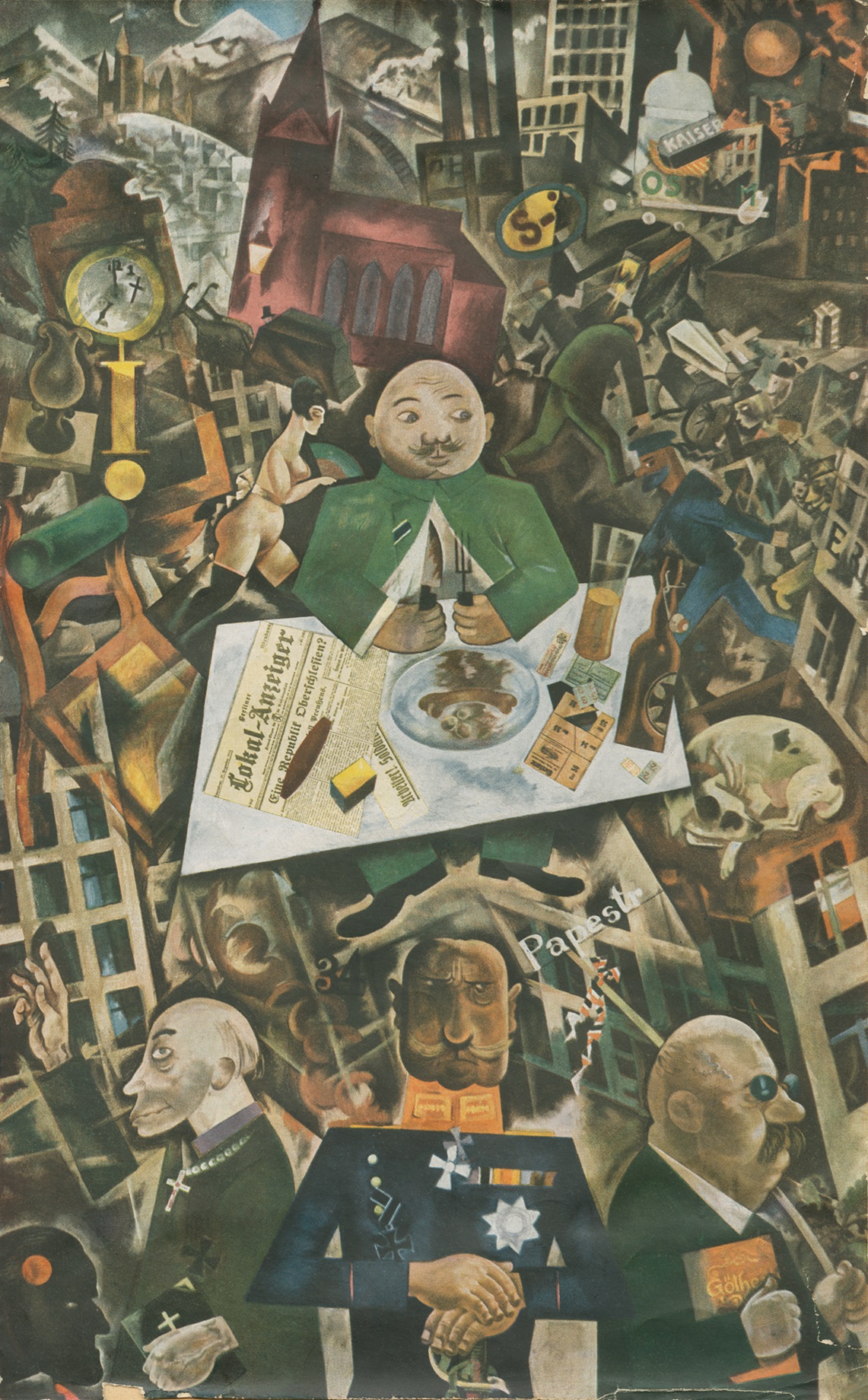
“DADA war Ausbruch einer Revolte von Lebensfreude und Wut, war das Resultat der Absurdität, der großen Schweinerei dieses blödsinnigen Krieges. Wir jungen Leute kamen wie betäubt aus dem Krieg zurück und unsere Empörung mußte sich irgendwie Luft machen. Das geschah ganz natürlich mit Angriffen auf die Grundlagen der Zivilisation, die diesen Krieg herbeigeführt hatte.”

aus: Max Ernst in der Fernsehdokumentation “Kunst authentisch”, Carl Lamb und Peter Schamoni, WDR 1964, zitiert in der Ausstellung “DADA, Sperren Sie endlich Ihren Kopf auf!”, Zentrum für verfolgte Künste Solingen, 2026.

Abb.: George Grosz: Deutschland, ein Wintermärchen 1919.

07/26

25/07/2026 (23:13) Schlagworte: DE,Lesebuch ::

Tang Ping

“Die Jugendarbeitslosigkeit befindet sich auf einem historischen Rekordhoch. Im Sommer 2023 stieg sie auf 21 Prozent, daraufhin hat die Nationale Statistikbehörde die Berechnung kurzerhand verändert, wodurch sich der Wert geringfügig verbessert hat. Fakt ist, dass ein erheblicher Teil der unter 25-Jährigen in China kein festes Einkommen bezieht. …

Scott Rozelle … [stellt] regelmäßig … der abgehängten Jugend dieselbe Frage: ‘Warum glaubst du, dass du arm bist?’ Vor zwanzig Jahren führten die Menschen ihre missliche Lage fast ausschließlich auf ihr eigenes Verhalten zurück. Wenn man nur härter arbeite, mehr in Bildung investiere, dann klettere man die soziale Leiter hinauf, so der Tenor. Bei der jüngsten Umfrage im Jahr 2024 … [gaben] die Befragten … dem System die Schuld. Und ein Viertel ging davon aus, dass es ihnen in den nächsten fünf Jahren noch schlechter gehen werde. …

China bringt zwar ein Heer von Topingenieuren und viele Innovationen hervor, schließt aber gleichzeitig das Gros der Bevölkerung vom Fortschritt aus.

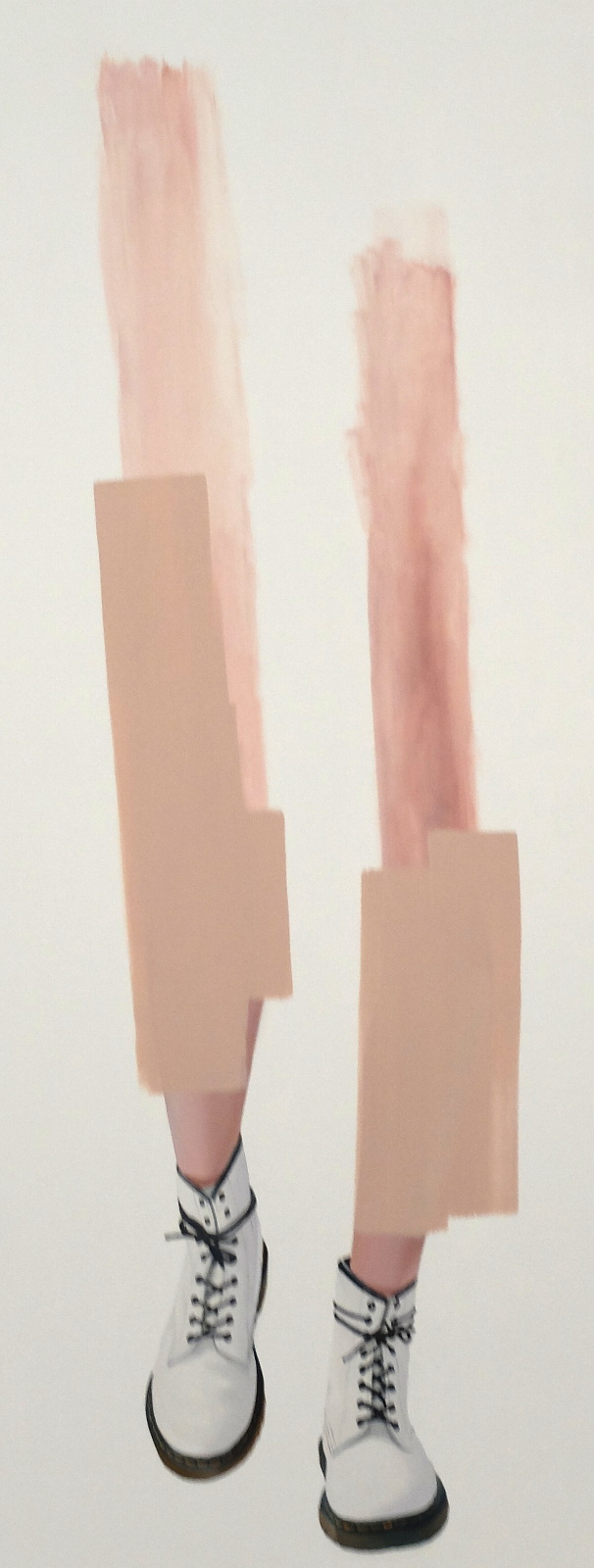
Nicht ohne Grund zeigt die Jugend des Landes mittlerweile wenig Interesse daran, den patriotischen Plänen ihrer Parteiführung Folge zu leisten. Vor einigen Jahren begannen junge Chinesen in den sozialen Medien, ihr Lebensgefühl mit dem Schlagwort Tang Ping (zu Deutsch: flach liegen) zu umschreiben. Enttäuscht vom nicht eingehaltenen Versprechen, dass Fleiß und Bildung zu einer besseren Zukunft führen, … [sind] inzwischen … nicht wenige der Verweigerer in die … spärlich bewohnte[n] Apartmentsiedlungen im Nirgendwo [gezogen], die auf dem Höhepunkt der Immobilienblase errichtet wurden. Mit ihren billigen Mieten bieten sie das perfekte Refugium für eine Gen Z, die zwar hoch gebildet ist, aber kein Interesse hat, in sogenannten „9-9-6“-Bürojobs (Arbeitstage von 9 Uhr am Morgen bis 9 Uhr am Abend, 6-mal die Woche) auszubrennen. … [Sie] hegen das Ziel, so wenig wie möglich zu arbeiten und ihre Ausgaben gering zu halten. Sie verbringen ihren Alltag mit gemeinschaftlichen Aktivitäten, für die ihre hart schuftenden Altersgenossen von Shanghai bis Shenzhen keine Zeit haben: Kochabende, Hobbys, Müßiggang. …”

aus: Fabian Kretschmer: Arbeitswelt in China, Von China lernen? Brand eins, Mai 2026, im Internet.

Abb.: Eliza Douglas: The potential of being, 2017, Folkwang-Museum Essen.

04/26

26/04/2026 (12:10) Schlagworte: DE,Lesebuch ::

Sonne

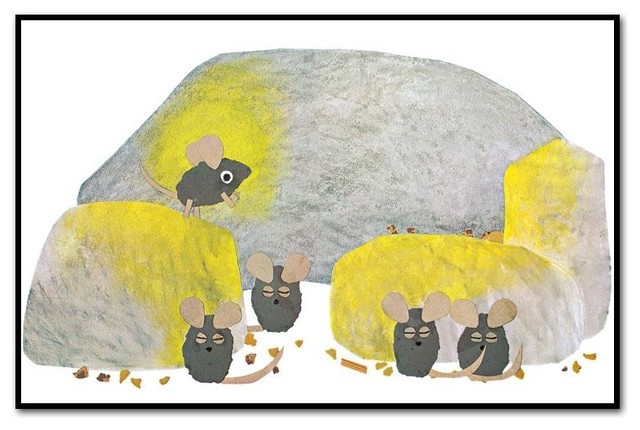
“In der alten Steinmauer wohnte eine Familie schwatzhafter Feldmäuse. Als es Herbst wurde, sammelten alle Mäuse Vorräte für den Winter. Alle – bis auf Frederick.

Die Mäuse fragten ihn: ‘Frederick, warum arbeitst du nicht?’

‘Ich arbeite doch’, sagte Frederick, ‘ich sammle Sonnenstrahlen für die kalten dunklen Wintertage.’

Außerdem sammelte er noch Farben und Wörter – und als der Winter da war, die Vorräte fast aufgegessen und es kalt und dunkel wurde, da kann Frederick erzählen… von den Sonnenstrahlen und den Farben… und von den Wörtern, die er gesammelt hat.”

aus: Leo Lionni: Frederick

13/04/2026 (16:56) Schlagworte: Uncategorized ::

Moralisation 2

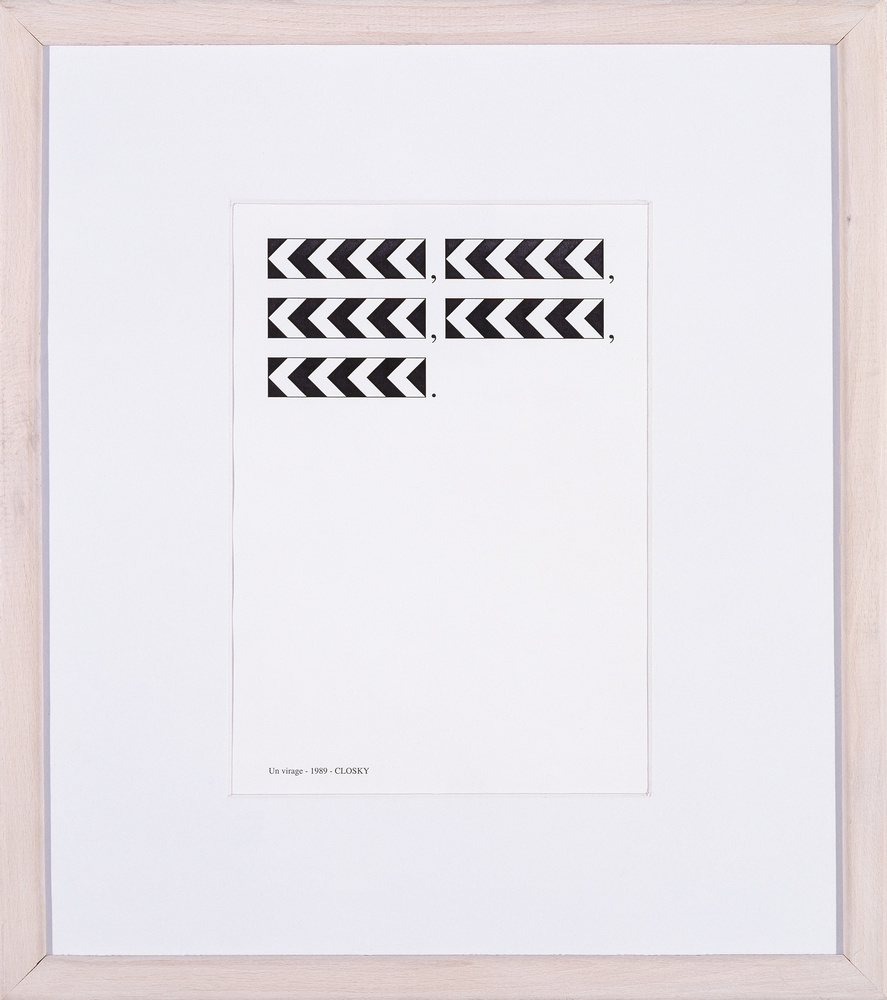
“Depuis une dizaine d’anées, nous vivons une époque où l’art doit se plier à un code moral. On attend de plus en plus des artistes, morts ou vifs, qu’ils incarnent la rectitude et l’empathie, et l’on exige de leurs œuvres qu’elles défendent des valeurs féministes, antiracistes, anti-homophobes et ouvertes à l’accessibilité et l’inclusion.

Ce ‘virage moral’ explique pourquoi les expositions, les articles et les livres ont tendance ‘a retravailler les biographies des artistes, pour les présenter rétroactivement comme des partisans exemplaires de la justice sociale et de l’esprit communautaire. Cela est également perceptible dans la panique qui s’empare des institutions lorsqu’elles redoutent qu’une exposition ne réussisse pas à mettre explicitement en avant ces valeurs …

Alors, oui, les principes qui sous-tendent le virage moral de l’art méritent tout à fait qu’on les rappelle dans nos vies personnelles et professionnelles, et qu’on les défende au niveau politique. Mais si nous appliquons les mêmes principes à l’évaluation de l’art dans son ensemble, nous compromettons notre capacité à penser de façon critique et à aborder par nous-mêmes dans toute sa glorieuse ambiguïté. Mais, par-dessus tout, nous perdons la capacité à être interpellés et transformés par l’art.

Car l’ambiguïté peut se révéler utile sur le plan politique, après tout : quand nous nous heurtons à l’inconfort, nous pouvons être amenés à remettre nous certitudes en question et à affûter nos réflexions. … Il faut apprendre à appréhender la complexité, une compétence nécessaire si nous souhaitons parvenir un jour à nous extraire du marigot puéril des guerres culturelles. … L’art peut nous aider à mieux nous comprendre, nous et le monde qui nous entoure, en exprimant ce qui est au-delà les mots. Il nous expose à une vaste gamme d’expériences, et nous demande d’accepter les ambiguïtés fondamentales, la complexité morale et les émotions conflictuelles qui font partie intégrante de l’essence humaine. …

Le temps est venu d’affirmer que l’art peut nous aider à ressentir plus penser plus, savoir plus. Sinon, nous risquons de le réduire à des simples exemples d’idées approuvées à l’avance, et de renoncer ainsi à notre intélligence culturelle.”

aus: Rosanne McLaughlin: Laissons l’art le pouvoir de nous transformer. Courrier international 1846, 19.03.2026, ursprünglich im Guardian.

Abb.: Claude Closky: Un virage, 1989, im Internet.

03/26
27/03/2026 (10:26) Schlagworte: FR,Lesebuch ::
Next Page »